
Discover the Mystique of Bali: Pura Kehen - The Temple of Fire
Perched majestically on a hillside in the village of Bangli, Pura Kehen, also known as the 'Temple of Fire', is a testament to Bali's rich cultural and spiritual heritage. This awe-inspiring temple complex, with its intricate carvings, ancient banyan tree, and captivating ceremonies, offers a glimpse into the heart of Balinese Hinduism.

Dedicated to the trinity of Brahma, Vishnu, and Shiva, Kehen Temple is considered one of Bali's most important 'Sad Kahyangan' temples, or 'six sanctuaries of the world'. Its strategic location and architectural grandeur reflect its significance in the island's spiritual landscape. As you ascend the 38 stone steps leading to the temple, you'll feel a sense of reverence and awe, surrounded by the beauty of nature and the echoes of ancient rituals.
The temple's courtyards are adorned with meticulously crafted stone carvings, depicting scenes from Hindu mythology and Balinese folklore. The towering 11-tiered 'Meru' shrine, dedicated to the supreme god, stands as a symbol of the temple's spiritual power. The ancient banyan tree, believed to be over 300 years old, provides a sense of tranquility and connection to the past.
A visit to Pura Kehen is not just a sightseeing experience; it's an opportunity to witness the living traditions of Bali. During festivals and ceremonies, the temple comes alive with vibrant processions, offerings, and traditional dances, creating an unforgettable spectacle of devotion and cultural celebration.
Table of Contents
Entrance Fees
As of January 2025, the entrance fee for Kehen Temple is IDR 50,000 per person for international visitors (approximately USD 3.50). This fee contributes to the preservation and maintenance of this significant cultural landmark. It also includes the rental of a sarong and sash, which are mandatory attire for all visitors to show respect for the temple's sanctity.
If you're arriving by vehicle, there's an additional parking fee: IDR 5,000 for motorbikes and IDR 10,000 for cars. This ensures secure parking while you immerse yourself in the temple's spiritual ambiance.

Address & Accessibility
Pura Kehen is nestled in the heart of Bangli Regency, in the eastern part of Bali. The complete address is: Pura Kehen, Jl. Raya Besakih, Bangli, Kabupaten Bangli, Bali 80613, Indonesia.
The temple is easily accessible by road, and its location makes it a convenient stop on a tour of Bali's central highlands. From Ubud, it's approximately a 1-hour drive, while from Denpasar, the journey takes around 1.5 hours. You can reach Pura Kehen by hiring a private car with a driver or joining a guided tour that includes the temple in its itinerary.
How to Get There?
Several transportation options are available to reach Pura Kehen, catering to different preferences and budgets:
By Car: The most convenient way to reach Pura Kehen is by hiring a private car with a driver. This option provides flexibility and comfort, allowing you to explore the temple at your own pace and make additional stops along the way. You can easily arrange a car and driver through your hotel or a reputable tour agency. Find Out Here
By Scooter: If you're comfortable navigating Bali's roads on a scooter, this is an adventurous and budget-friendly option. The journey from Ubud takes about an hour, offering scenic views of the countryside. Ensure you have a valid international driving license and wear a helmet for safety.
By Guided Tour: Joining a guided tour is an excellent choice if you prefer a hassle-free experience. Many tour operators offer half-day or full-day tours that include Pura Kehen, along with other attractions in the Bangli region, such as Penglipuran Village and Kintamani. These tours typically provide transportation, a knowledgeable guide, and entrance fees.
No matter which mode of transportation you choose, the journey to Pura Kehen is an adventure in itself, offering glimpses of Bali's stunning landscapes and cultural richness.
Recommendations: For a comprehensive experience, consider these popular tours that include Pura Kehen:

Bali Archaeological Tour: Unveiling the Island’s Ancient Heritage
★ ★ ★ ★ ★ (810 Reviews)
This tour takes you to significant sites like Goa Gajah (Elephant Cave), Gunung Kawi Temple, Tirta Empul Holy Spring, and Penglipuran Village, allowing you to explore ancient temples and traditional Balinese culture. Expert guides provide insight into Bali's spiritual roots, while you enjoy scenic landscapes, sacred rituals, and historic architecture. See Details

Unlock Bali’s Secrets: Kintamani Volcano and Besakih Temple Tour
★ ★ ★ ★ ★ (520 Reviews)
Discover the hidden gems of Bali! Witness the grandeur of the Kintamani Volcano, wander through Bali’s most sacred temple, Besakih, and explore stunning waterfalls along the way. This tour is a journey through the island’s most spiritual and awe-inspiring locations, perfect for those seeking to connect with Bali’s culture and breathtaking landscapes.See Details
Opening Hours
Pura Kehen welcomes visitors daily from 8:00 AM to 5:00 PM. These hours provide ample time to explore the temple's vast complex, admire its intricate architecture, and witness the serene beauty of its surroundings.
While the temple is primarily open for sightseeing during these hours, certain areas may be restricted during religious ceremonies or festivals. These events offer a unique opportunity to witness traditional Balinese rituals and cultural performances, but they may also mean larger crowds and limited access to certain parts of the temple.

Best Time to Visit
The ideal time to visit Pura Kehen is during Bali's dry season, which spans from April to October. During this period, you can expect pleasant weather with minimal rainfall, making it perfect for exploring the temple and its surroundings.
For a more tranquil experience, consider visiting early in the morning or late in the afternoon. These times offer cooler temperatures, fewer crowds, and softer light, creating a serene atmosphere for appreciating the temple's beauty and spiritual significance.
If you're interested in witnessing traditional Balinese ceremonies, plan your visit during one of the temple's festivals. The most significant festival is the 'Piodalan' anniversary celebration, which occurs every 210 days according to the Balinese calendar. During this time, the temple comes alive with vibrant processions, offerings, and traditional dances.

What To See and Do
Pura Kehen offers a multitude of experiences that cater to both spiritual seekers and cultural enthusiasts. Here are some highlights:
- Admire the Architecture: Marvel at the intricate stone carvings that adorn the temple's walls, gates, and shrines. The 11-tiered 'Meru' shrine, dedicated to the supreme god, is a masterpiece of Balinese craftsmanship.
- Embrace the Banyan Tree: Feel the serenity under the ancient banyan tree, believed to be over 300 years old. This majestic tree, with its sprawling roots and branches, is a symbol of the temple's enduring presence and connection to nature.
- Capture Memorable Photos: The temple's picturesque setting, with its tiered courtyards, ornate carvings, and panoramic views, provides ample opportunities for stunning photography. Remember to be respectful of worshippers and ceremonies while taking photos.
- Witness Traditional Ceremonies: If you're fortunate enough to visit during a festival or ceremony, you'll be treated to a vibrant display of Balinese culture. Witness colorful processions, elaborate offerings, and mesmerizing traditional dances that showcase the island's deep spirituality.
- Connect with the Divine: Pura Kehen is a place of profound spiritual energy. Take a moment for quiet contemplation or meditation in one of the temple's peaceful corners, and feel the connection to Bali's rich spiritual heritage.

Nearby Best Hotels
Extend your spiritual journey by staying at one of these comfortable accommodations near Pura Kehen:
- Mandapa, a Ritz-Carlton Reserve: This riverside sanctuary offers luxurious villas, top-notch service, and a peaceful ambiance. Guests can enjoy rejuvenating spa treatments, yoga sessions, and fine dining, all surrounded by Bali’s stunning natural beauty.
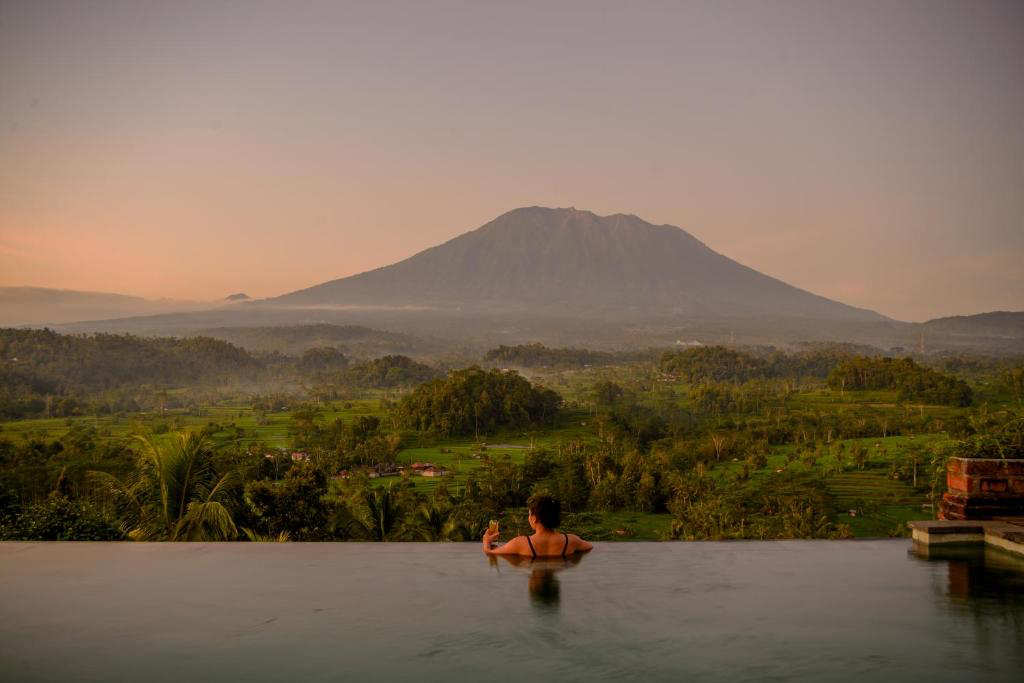
- Hanging Gardens of Bali: Famous for its iconic infinity pool overlooking the jungle, this resort offers ultimate privacy and serenity. With luxurious villas, a world-class spa, and fine dining, it’s the perfect escape for relaxation and indulgence.
- The Ubud Village Resort & Spa: Located in serene gardens, this resort offers private Balinese-style villas, a peaceful spa, and a swimming pool. It’s an ideal retreat for those seeking tranquility and comfort amidst traditional Balinese hospitality.
These hotels offer a range of options to suit different budgets and preferences, ensuring a comfortable and memorable stay near Pura Kehen.
Nearby Best Restaurants
After a day of exploring Pura Kehen and its surroundings, indulge in the flavors of Bali at these nearby restaurants:
- Warung Makan Bu Rusmini: This local favorite serves up authentic Balinese dishes at affordable prices. Try their 'nasi campur', a platter of mixed rice with various side dishes, or their delicious 'sate lilit', minced meat skewers.
- Restaurant Maha Neka: Located within the Neka Art Museum, this restaurant offers a unique dining experience with stunning views of the surrounding rice paddies. Their menu features a fusion of Indonesian and Western cuisine, prepared with fresh, local ingredients.
- Kintamani Eco Bike Coffee: Enjoy a cup of locally grown coffee and breathtaking views of Mount Batur at this charming café. It's a perfect stop for a refreshing break after exploring the Kintamani region.
These restaurants offer a taste of Bali's culinary delights, ensuring a satisfying end to your day of exploration.
Nearby Attractions
The Bangli region, where Pura Kehen is located, is rich in natural and cultural wonders. Here are some nearby attractions worth exploring:
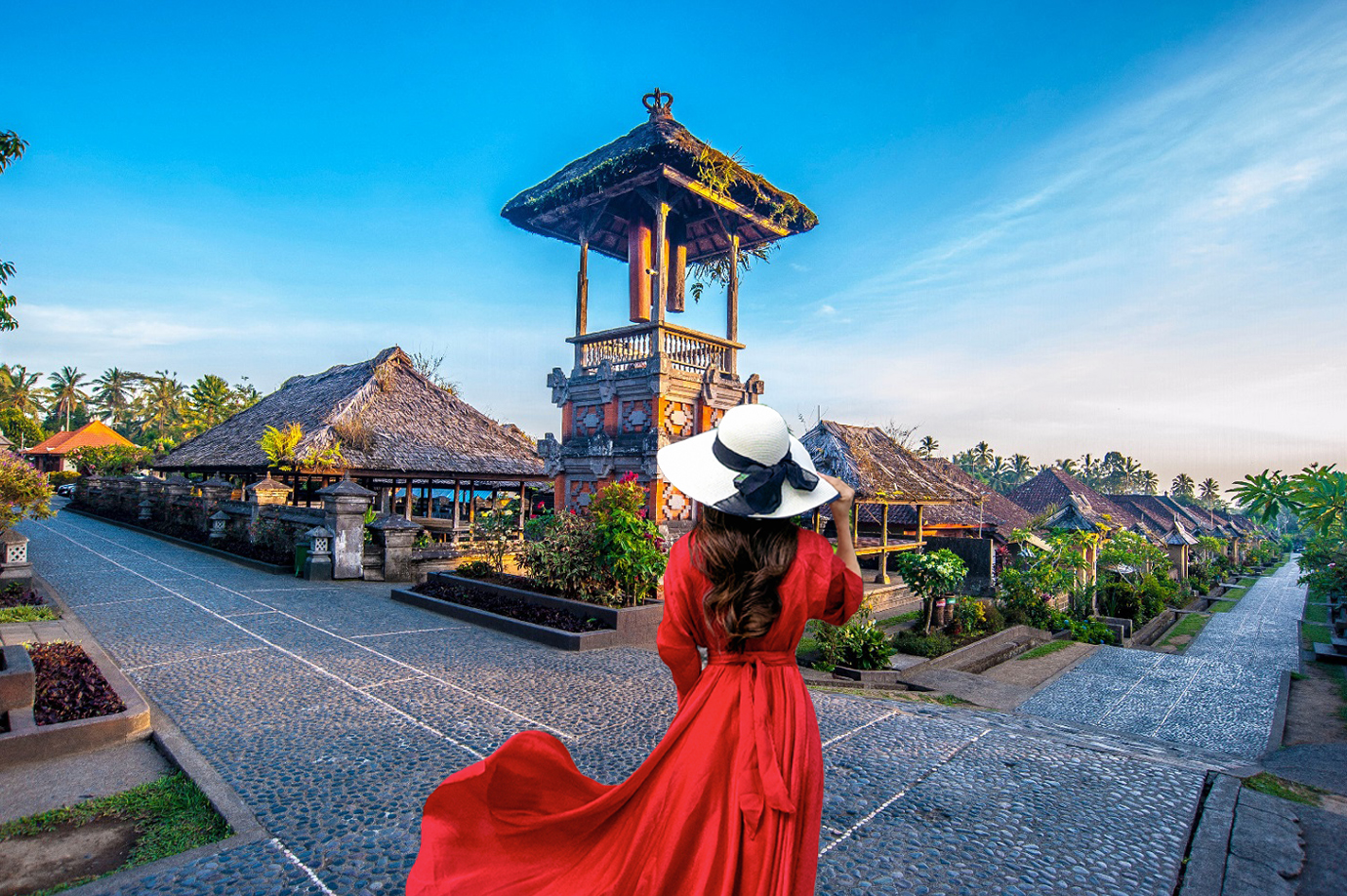
- Penglipuran Village: Step back in time in this traditional Balinese village, known for its well-preserved architecture, bamboo forests, and unique customs. It's a fascinating glimpse into Bali's rural life.
- Kintamani & Mount Batur: Witness the awe-inspiring beauty of Mount Batur, an active volcano, and its caldera lake. Enjoy panoramic views from Kintamani, a highland village known for its cool climate and stunning scenery.
- Tirta Empul Temple: Purify your mind and body at this sacred water temple, known for its holy springs and purification rituals. It's a popular destination for both locals and visitors seeking spiritual cleansing.
- Pura Besakih: Known as the 'Mother Temple' of Bali, Pura Besakih is the largest and most sacred temple complex on the island. It's a sprawling complex of shrines, courtyards, and terraces, offering a glimpse into the heart of Balinese Hinduism.
These nearby attractions, combined with your visit to Pura Kehen, will create a fulfilling and enriching Bali experience.
Temple History
Pura Kehen, one of Bali's oldest and most venerated temples, traces its origins to the 11th century. It is believed to have been established by the Warmadewa Dynasty, who ruled Bali during that time. The temple's name, 'Kehen', comes from the old Balinese term 'Hyang Api', meaning 'God of Fire', symbolizing the temple's devotion to the Hindu trinity of Brahma, Vishnu, and Shiva, with a special focus on fire's transformative power.
Over the centuries, Pura Kehen has been central to the spiritual and cultural life of the Bangli region. It has served as a sacred site for worship, a place for community gatherings, and a symbol of the region's influence and prosperity. The temple's rich history includes witnessing significant events such as the Dutch invasion of Bali in the early 20th century, underscoring its lasting importance.
Despite periods of hardship and decline, Pura Kehen has been carefully restored and preserved over time. These efforts ensure that the temple remains a vital part of Bali's religious and cultural heritage, continuing to inspire and serve future generations.

Architecture & Layout
Pura Kehen's architecture is a testament to the ingenuity and artistry of Balinese builders. The temple complex is built on a series of terraces, ascending the hillside, creating a sense of grandeur and spiritual elevation. Each terrace is adorned with intricately carved stone gates, shrines, and statues, showcasing the rich symbolism and mythology of Balinese Hinduism.
The temple's layout follows the traditional 'Tri Mandala' concept, with three distinct courtyards representing different levels of spiritual purity:
- Jaba Pisan (Outer Courtyard): This is the public area of the temple, where visitors first enter. It features a large banyan tree, providing shade and a sense of tranquility. The outer courtyard also houses several pavilions used for community gatherings and performances.
- Jaba Tengah (Middle Courtyard): This courtyard is accessible through an ornate 'kori agung' gate and is considered more sacred than the outer courtyard. It houses several shrines and altars dedicated to various deities, as well as the 'Bale Kulkul', a pavilion where the traditional wooden slit drum is played to announce ceremonies and events.
- Jeroan (Inner Courtyard): The most sacred part of the temple, the inner courtyard, is reserved for priests and religious ceremonies. It features the towering 11-tiered 'Meru' shrine, symbolizing Mount Meru, the mythical abode of the gods. The inner courtyard is a place of deep spiritual significance, where offerings and prayers are made to the divine.
Pura Kehen's architecture is a visual feast, with its intricate carvings, vibrant colors, and harmonious blend of natural and man-made elements. It's a testament to the enduring legacy of Balinese craftsmanship and spirituality.

Mythology & Legends
Pura Kehen is shrouded in captivating mythology and legends that add to its mystique and spiritual allure. One prominent legend tells the story of the temple's founding. It is said that a holy man named 'Mpu Kuturan' discovered a sacred flame on the hillside where Pura Kehen now stands. This flame was believed to be a manifestation of the divine, and Mpu Kuturan built the temple to enshrine it. The temple's name, 'Kehen', or 'Temple of Fire', is a reference to this sacred flame.
Another legend speaks of a powerful dragon that once inhabited the area. The dragon was said to be benevolent, protecting the village and its people. The temple's 'Bale Kulkul', where the wooden slit drum is played, is believed to have been built to appease the dragon and ensure its continued protection.
These legends, passed down through generations, add a layer of mystique and spiritual significance to Pura Kehen. They remind visitors of the temple's deep connection to Bali's rich cultural heritage and the enduring power of its myths and beliefs.

Why You Must Visit
Pura Kehen is a must-visit destination for anyone seeking to experience the authentic essence of Bali. Here's why:
- Spiritual Significance: As one of Bali's 'Sad Kahyangan' temples, Pura Kehen holds immense spiritual importance for the Balinese people. Visiting this temple offers a unique opportunity to witness the living traditions of Balinese Hinduism and connect with the island's deep spirituality.
- Architectural Marvel: The temple's intricate carvings, tiered courtyards, and towering 'Meru' shrine are a testament to the skill and artistry of Balinese builders. It's a visual feast that showcases the island's rich architectural heritage.
- Cultural Immersion: Pura Kehen provides a glimpse into the heart of Balinese culture. Witnessing traditional ceremonies and performances at the temple offers a profound understanding of the island's customs, beliefs, and artistic expressions.
- Scenic Beauty: Perched on a hillside with panoramic views of the surrounding countryside, Pura Kehen offers a serene and picturesque setting. The ancient banyan tree and lush gardens add to the temple's natural charm.
- Historical Significance: With its origins dating back to the 11th century, Pura Kehen is a living testament to Bali's rich history. Exploring the temple allows you to connect with the island's past and appreciate its enduring cultural legacy.
Pura Kehen is more than just a temple; it's a journey into the heart and soul of Bali. It's a place where history, culture, spirituality, and natural beauty converge, creating an experience that will leave a lasting impression on your heart and mind.

Know Before You Go
Pura Kehen, a sacred temple in Bali, offers a deeply spiritual experience. To ensure a respectful and enjoyable visit, please keep these essential tips in mind:
Dress Code: Modest attire is required. Ensure your shoulders and knees are covered. Sarongs and sashes are available for rent or purchase at the entrance. Respect the temple’s sacredness by adhering to this dress code.
Temple Etiquette: Be respectful of worshippers and ongoing ceremonies. Avoid obstructing rituals, and refrain from pointing your feet towards shrines, as it is considered disrespectful. Women who are menstruating should not enter the temple, in accordance with Balinese cultural norms.
Guided Tours: To enhance your experience, consider hiring a local guide. They can provide valuable insights into the temple's history, cultural significance, and the symbolism behind its architecture. Be sure to agree on the price before the tour begins.
Best Time to Visit: Visiting early in the morning or late in the afternoon offers a quieter, more peaceful atmosphere. For those interested in experiencing traditional Balinese ceremonies, check the local festival dates on the Balinese calendar.
Accessibility: The temple complex involves several flights of stairs and uneven terrain, which may present challenges for visitors with mobility issues. Be sure to wear comfortable shoes suitable for climbing and navigating the site.
Entry Fees: The entrance fee is IDR 50,000 per person, with additional parking fees for vehicles. Be sure to have cash on hand, as credit card facilities may not be available.
Respectful Photography: While the temple’s architecture and surroundings offer great photo opportunities, always ask for permission before photographing people, especially during religious ceremonies or personal moments of prayer.
Local Customs: Embrace Balinese customs during your visit. Showing respect for local traditions is appreciated by the community. Learning a few basic phrases in Bahasa Indonesia, such as "terima kasih" (thank you), will go a long way in making your interactions more meaningful.
By keeping these guidelines in mind, you’ll ensure a respectful and enriching visit to Pura Kehen, one of Bali’s most cherished spiritual and historical landmarks.
Author
This guide to Pura Kehen is brought to you by Bali Cheapest Tours, showcasing its historical significance and natural beauty, making it a must-visit.
Picture yourself walking through Pura Kehen's peaceful grounds, surrounded by ancient trees and stunning shrines. Its rich cultural heritage offers a perfect blend of history, architecture, and nature.
Planning Your Bali Trip?
Let our expert team create an unforgettable Balinese experience for you. Contact us today to explore our personalized tour packages.
Bali offers magical experiences for every traveler. Don’t wait—start your Bali adventure today and make lasting memories!